The Effectiveness of Paint Protection Film for Cars
KM
Understanding Paint Protection Film
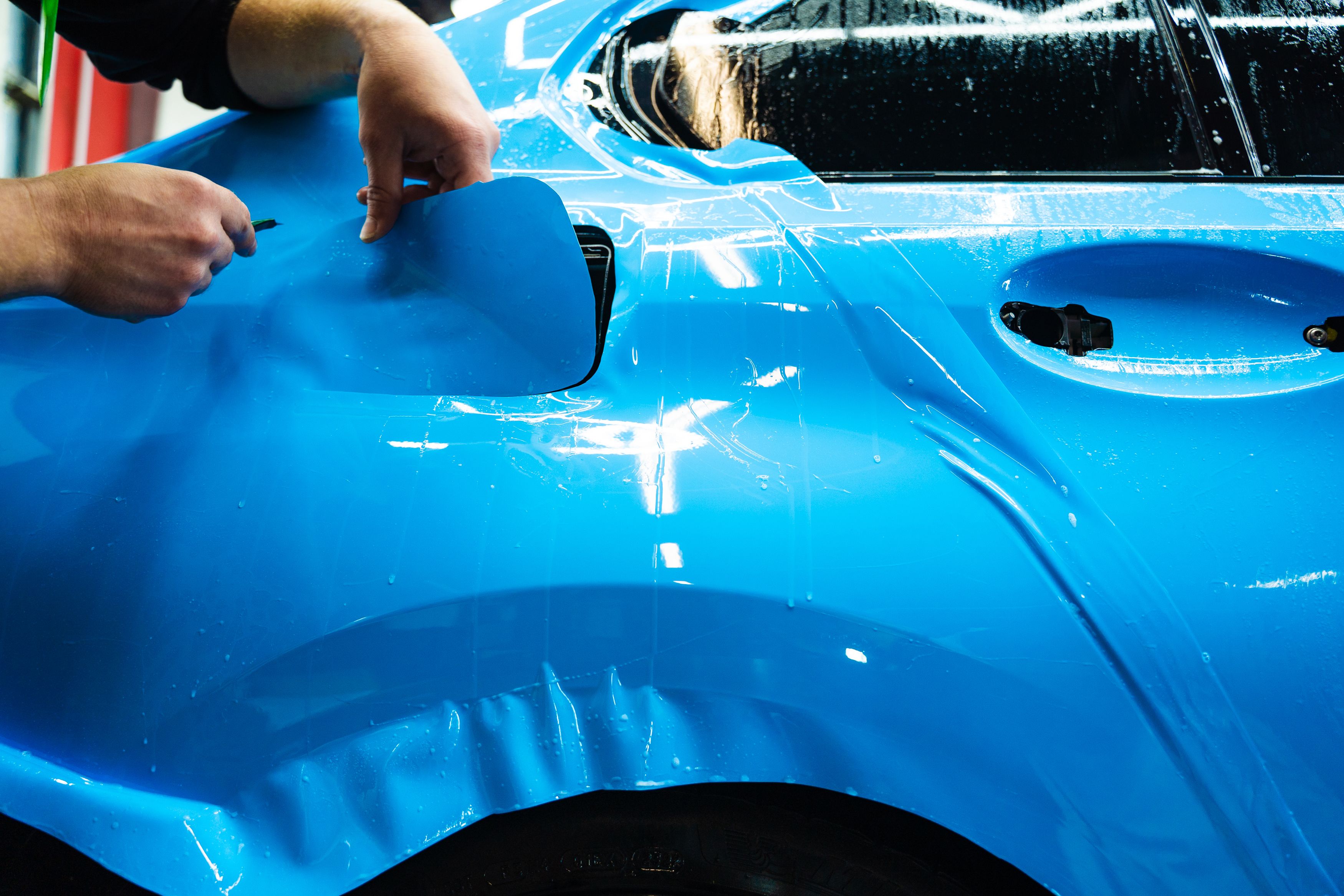
Paint Protection Film (PPF) is a transparent, durable film applied to the exterior surfaces of cars to protect them from damage caused by environmental factors. This innovative solution is gaining popularity among car enthusiasts and everyday drivers alike, thanks to its ability to maintain a vehicle's pristine appearance. In this post, we'll explore the effectiveness of PPF and why it might be a worthwhile investment for your car.
Benefits of Paint Protection Film
The primary benefit of PPF is its ability to protect your car's paint from scratches, chips, and stains. This film acts as a barrier against road debris, rocks, and even harsh weather conditions. By preserving the original paint job, PPF can help maintain your car's resale value. Additionally, it prevents fading caused by ultraviolet (UV) exposure, keeping your car looking new for longer.
Another advantage of PPF is its self-healing properties. Many high-quality films have a topcoat that can heal minor scratches and swirl marks when exposed to heat, such as sunlight or warm water. This feature ensures that the film remains clear and effective over time, providing continuous protection to your vehicle.
Application Process
Installing PPF is a meticulous process that requires professional expertise. The film is custom-cut to fit the specific contours of your vehicle, ensuring a seamless and invisible finish. The application involves cleaning the car's surface thoroughly and applying the film with precision to avoid any bubbles or wrinkles. A professional installation guarantees that the film adheres properly and provides maximum protection.
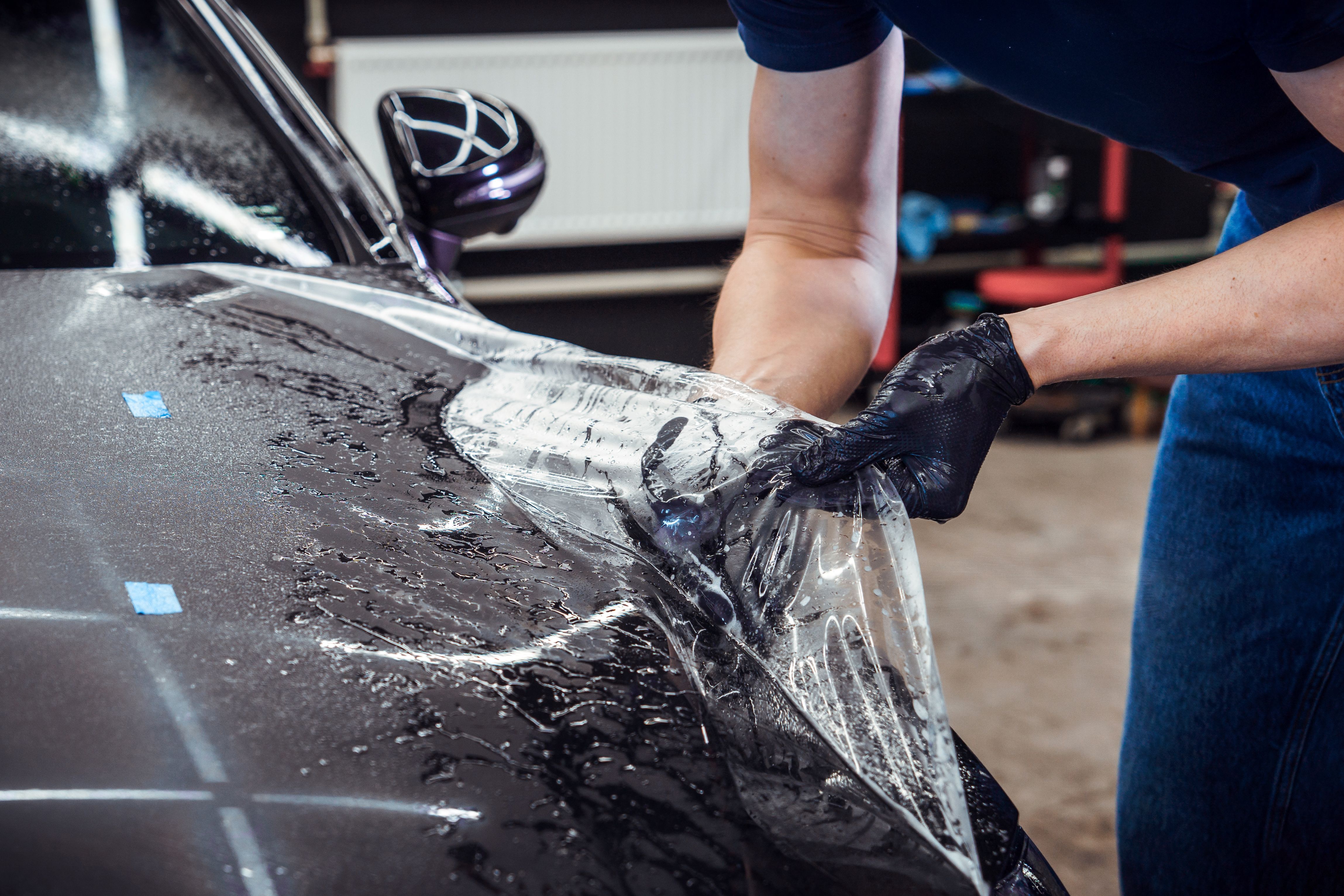
While the installation process might seem complex, the results are worth it. Properly applied PPF can last for many years, depending on the quality of the film and the conditions it is exposed to. Regular maintenance, such as washing and removing contaminants, can further extend its lifespan.
Cost Considerations
The cost of PPF varies depending on factors such as the size of the vehicle, the quality of the film, and the extent of coverage desired. Full vehicle coverage will naturally be more expensive than partial coverage, which typically focuses on high-impact areas like the hood, fenders, and front bumper. Despite the initial investment, many car owners find the cost justified by the long-term benefits of maintaining their vehicle's appearance and value.
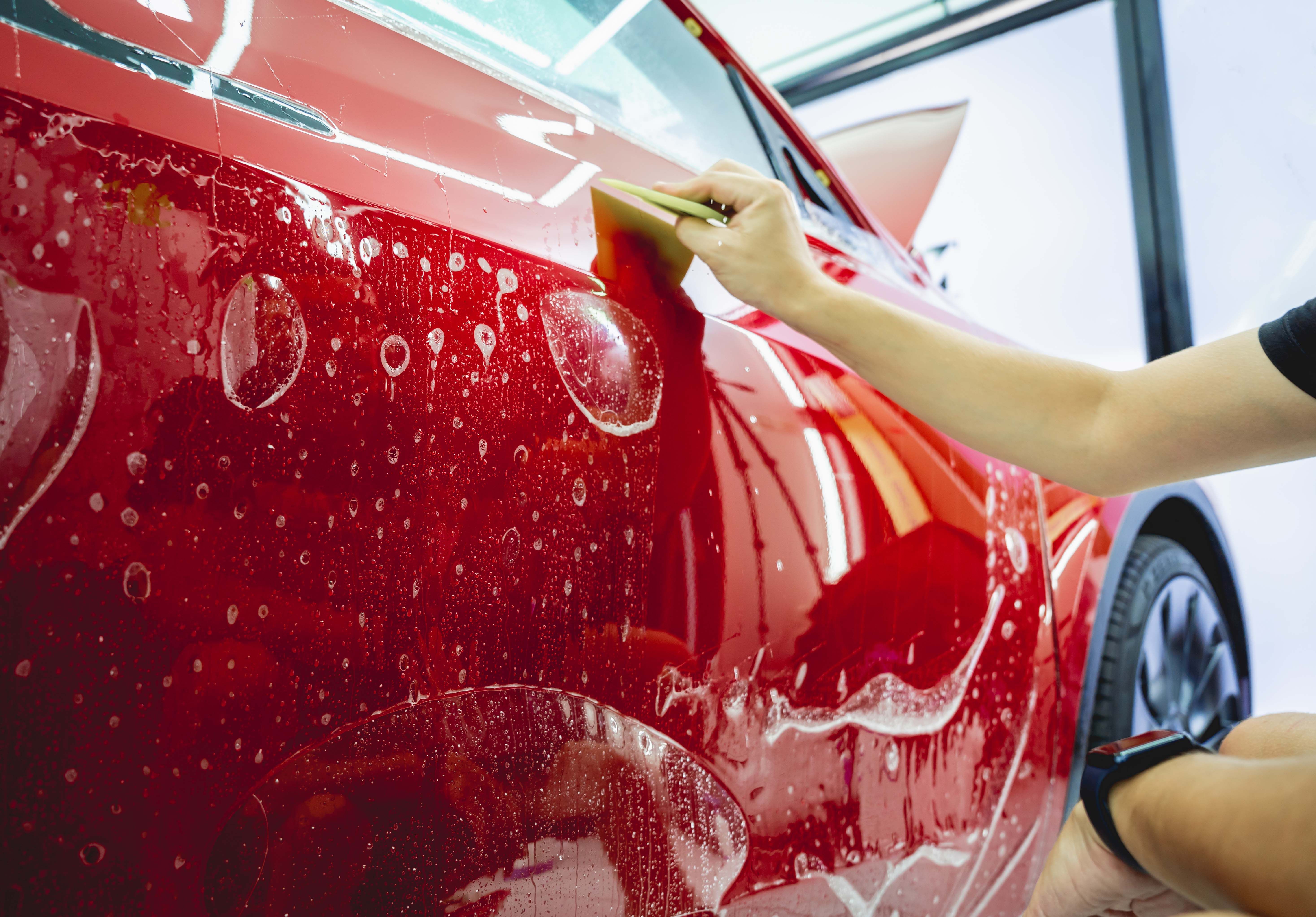
When considering PPF, it's important to weigh the cost against potential expenses from paint repairs and touch-ups. For those who value their car's aesthetics, PPF offers a practical solution to prevent damage and maintain a flawless finish.
Choosing the Right Film
With numerous options available on the market, selecting the right PPF can be overwhelming. It's essential to choose a high-quality film from a reputable brand to ensure optimal protection and durability. Consider factors like thickness, clarity, and self-healing properties when making your decision. Consulting with a professional installer can provide valuable insights and help you make an informed choice.
In conclusion, Paint Protection Film is an effective way to safeguard your vehicle's paint from environmental hazards. By investing in PPF, you can enjoy peace of mind knowing that your car remains in excellent condition, no matter where the road takes you.